

Key Takeaways
-
Many damaged phones can still be traded in, even with cracked screens or battery issues.
-
Trade-in value depends on the phone’s condition, age, model, and functionality.
-
Minor cosmetic damage usually has less impact on value than internal faults.
-
Some devices may still qualify for trade-in even if they do not switch on.
-
Selling or trading in a broken phone can help offset the cost of upgrading.
-
Backing up and erasing your data before trading in your device is important.
-
Mobile Life accepts a wide range of phones for trade-in, including damaged devices.
Dropping your phone is frustrating enough. Seeing a cracked screen, battery issue, or faulty charging port afterwards can make it feel even worse — especially if you were planning to upgrade soon. One of the most common questions people ask is: can you still trade in a broken phone?
The short answer is yes, in many cases, you can. Many phone trade-in programmes still accept damaged devices, depending on their condition. Even damaged phones can still hold value depending on the condition, model, and whether the device still powers on. However, the amount you receive will usually depend on how severe the damage is and whether the phone can still be refurbished, repaired, or recycled for parts.
In this guide, we’ll break down how broken phone trade-ins work, what affects the value of your device, and whether it’s worth trading in a damaged phone instead of leaving it unused in a drawer.
What Types of Damage Affect Trade-In Value?
Not all phone damage is treated equally. Some issues are considered cosmetic, while others affect the core functionality of the device. For example, damage to the phone's body, such as dents, bends, or visible bruises, can significantly impact its trade-in value.
A phone with a cracked screen or a damaged body may be valued lower than one with only minor scratches. To get a better estimate of your device’s value, you can also check using our repair calculator before deciding whether to repair or trade in your phone.
Cracked Screen
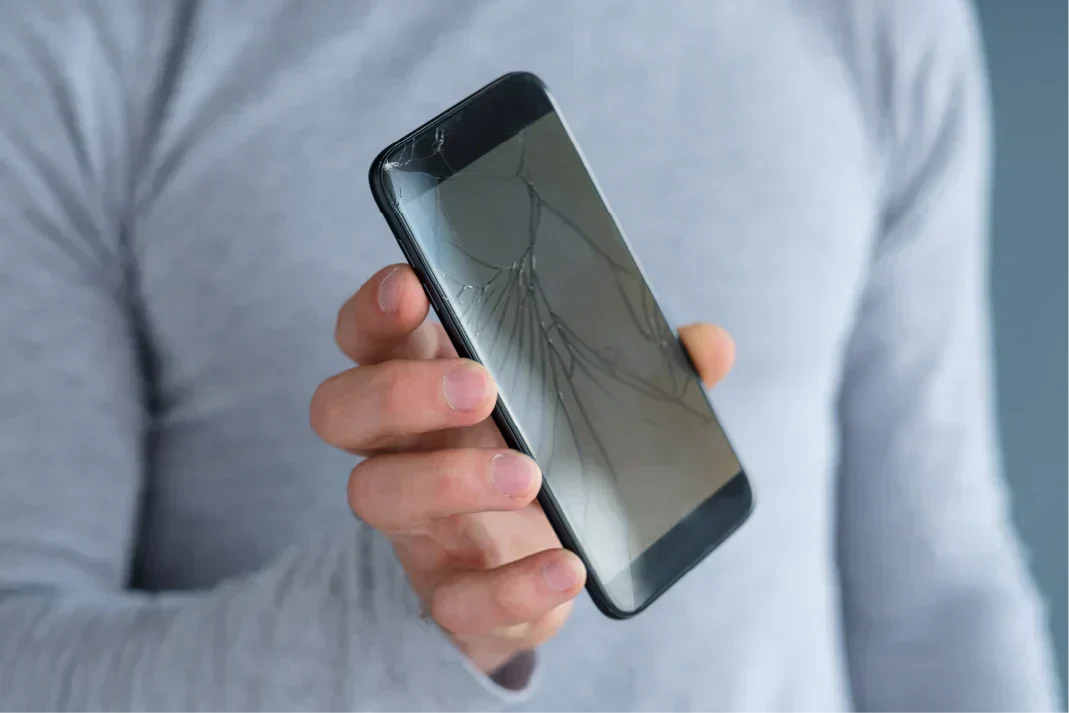
A cracked screen is one of the most common forms of damage. Depending on the provider, minor cracks may only slightly reduce the value, especially if the touchscreen still works properly.
However, severe cracks, dead pixels, screen burn, or touch issues can reduce the trade-in value more significantly because the screen assembly often needs full replacement.
Battery Problems
Phones with swollen batteries, poor battery health, overheating, or random shutdowns may receive a reduced offer. Battery replacements are common repairs, but they still add refurbishment costs.
Some trade-in providers may reject devices with severely swollen batteries due to safety concerns.
Water Damage
Water damage can be unpredictable because internal corrosion may continue developing over time. Even if the phone still works, liquid damage indicators inside the device may affect the trade-in value.
Charging Issues
If your phone charges inconsistently or only charges at certain angles, the charging port may require repair. Depending on the device model, this may be a minor or more involved repair.
Faulty Cameras or Sensors
Problems with Face ID, fingerprint scanners, cameras, speakers, or microphones can also reduce the trade-in value. These components are important for everyday functionality and may require specialist repairs.
Phones That Do Not Turn On
Some non-working phones can still be traded in. In these cases, the value is usually lower because the device cannot be fully tested and may only be suitable for parts recovery or recycling.
Can You Trade In a Broken Phone?
Yes, you usually can trade in a broken phone—even if it’s damaged, you can still trade it in for a fair payout. Many phone trade-in providers accept devices with different levels of damage, including:
-
Cracked screens
-
Battery problems
-
Faulty buttons
-
Camera issues
-
Water damage
-
Charging port problems
-
Back glass damage
-
Face ID or fingerprint sensor faults
You can trade in your old phone or device, and it doesn’t have to be in perfect condition to be eligible. Some providers even offer on-the-spot evaluation or payment, so you get instant feedback and payout when you submit your device.
Some companies may only accept lightly damaged devices, while others accept heavily damaged or non-working phones for refurbishment or parts recovery.
The main thing to understand is that a broken phone will normally receive a lower trade-in value compared to a fully working device in good condition.
That said, even a damaged phone can still be worth something. Modern smartphones contain reusable parts and valuable materials, which means there is often residual value left in the device.
Is It Worth Trading In a Broken Phone?

In many cases, yes.
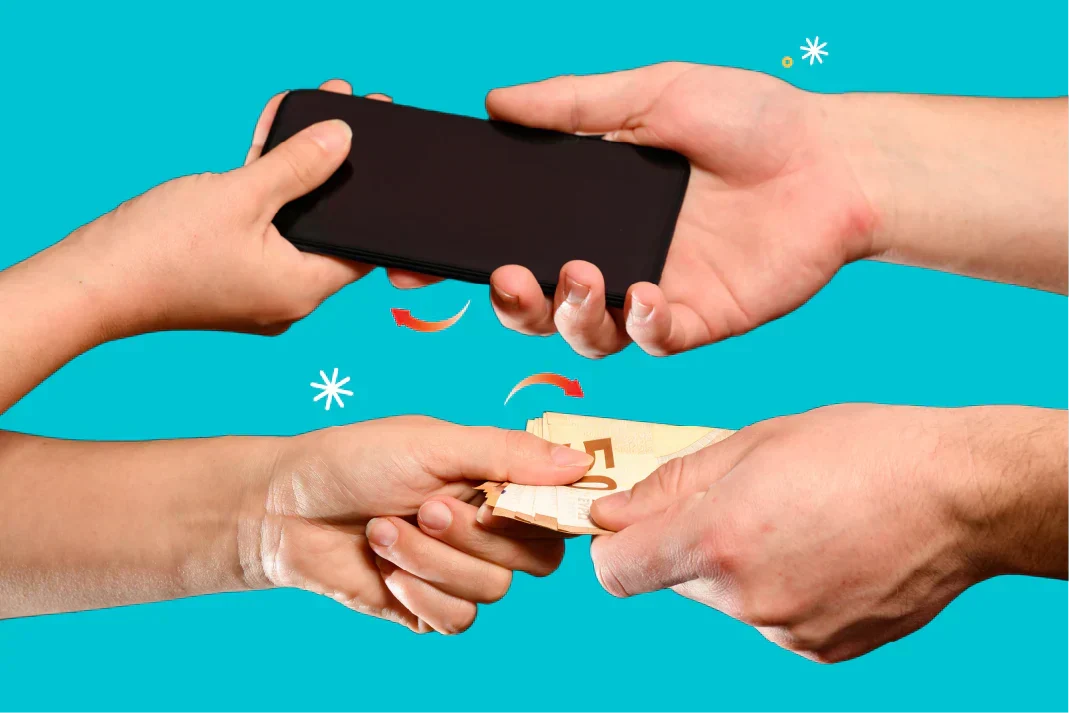
Even if your phone is damaged, trading it in can still help reduce the cost of your next device. Instead of leaving an old phone unused, you may be able to recover part of its value by receiving cash or credit. The price you get for your broken phone will depend on its condition and the trade-in program you choose. You get the benefit of turning an unused device into immediate value, making it a practical option for many.
Whether it is worth trading in depends on a few factors:
The Cost of Repairs
Sometimes repairing the phone before trading it in can increase the value enough to justify the repair cost. Other times, the repair cost may exceed the increase in trade-in value.
For example, replacing a cracked screen on an older phone may not always make financial sense if the device already has a low market value.
The Age of the Device
Newer flagship phones generally retain more value, even when damaged. Older devices may depreciate more heavily because repair costs can outweigh resale demand.
Current Market Demand
Popular models from brands often hold stronger trade-in value due to ongoing demand for refurbished devices and spare parts.
The Severity of Damage
Minor cosmetic wear usually has less impact than motherboard issues, water damage, or multiple hardware faults.
Should You Repair Your Phone Before Trading It In?

This depends on the situation. Sometimes repairing a phone first can increase the trade-in value. For example, getting an iPhone repair done before trading in a newer device may help improve its resale value. However, this is not always guaranteed.
Here are some situations where repairs may or may not make sense:
|
Situation |
Usually Worth Repairing? |
|
Minor screen crack on newer phone |
Possibly |
|
Battery replacement on recent model |
Possibly |
|
Heavy water damage |
Usually no |
|
Multiple hardware issues |
Usually no |
|
Older device with low value |
Usually no |
|
Cosmetic scratches only |
No |
Before spending money on repairs, it is usually worth comparing:
-
The estimated repair cost
-
The expected increase in trade-in value
-
The remaining market value of the phone
In some cases, selling the phone as-is may be the more practical option.
What Happens to Broken Trade-In Phones?

Not every broken phone or tablet is simply thrown away. Depending on the condition, devices may be:
-
Refurbished into a new phone or tablet and resold
-
Repaired for secondary markets
-
Dismantled for parts
-
Responsibly recycled
Refurbishment helps extend the lifespan of phones and tablets and can reduce electronic waste.
Common Myths About Broken Phone Trade-Ins
“A Cracked Phone Has No Value”
This is usually false. Many cracked phones still retain value, especially newer flagship models.
“Only Perfect Phones Can Be Traded In”
Most trade-in companies accept a range of conditions, including damaged devices.
“Water-Damaged Phones Are Always Rejected”
Some providers still accept water-damaged phones, although the offer may be lower.
“Broken Phones Cannot Be Refurbished”
Many damaged phones can be repaired and resold after refurbishment.
How to Get the Best Value for a Broken Phone
If you want to maximise the value of your damaged phone, here are a few practical tips:
-
Take clear, well-lit photos of your device from multiple angles, and the more detailed your documentation, the easier it is for buyers to make informed decisions.
-
Research and compare different places that buy or accept trade-ins for broken phones, such as online marketplaces, local repair shops, and official trade-in programs, to find the best offer.
-
For the best results, be honest about the condition of your phone and include all relevant accessories.
-
Before handing your device to the next owner, remember to back up your data and erase all personal information to the factory settings.
-
For the highest value, prepare your device by cleaning it and gathering any original packaging or receipts.
Environmental Benefits of Trading In Broken Phones
Trading in old phones is not only about recovering value. Choosing to trade in or recycle your old devices in Singapore supports responsible recycling and helps reduce electronic waste.
Smartphones contain valuable materials, including:
-
Gold
-
Copper
-
Aluminium
-
Rare earth elements
Refurbishment and recycling help reduce unnecessary waste while extending the lifespan of usable components.
Many consumers in Singapore now choose trade-in programmes as part of a more sustainable upgrade cycle.
Why Trade In Your Phone With Mobile Life?
Mobile Life offers phone trade-in services for a wide range of devices, including many damaged phones. Whether your device has a cracked screen, battery issues, or general wear and tear, trading in your old phone can help offset the cost of your next upgrade.
With over 15 years of experience in the mobile phone industry, our team of highly trained technicians has a keen eye for device valuations, utilising the latest market data to give you the best value for your device. Trusted by over 150 mobile repair stores islandwide and thousands of customers, Mobile Life’s deep industry expertise, consumer-friendly practices, and fuss-free processes guarantee you a rewarding trade-in experience.
Some reasons customers choose Mobile Life include:
-
On-The-Spot cash payouts
-
Island-wide pickup options
-
Instant phone trade-in prices
-
Competitive trade-in prices backed by market insights & demands
If you are unsure whether your damaged phone still has value, getting an assessment can help you understand your available options before deciding what to do next.
Final Thoughts
So, can you trade in a broken phone? In many cases, absolutely.
While damage will usually reduce the overall value, many broken phones still retain resale, refurbishment, or recycling value. Cracked screens, battery issues, and other faults do not automatically mean your device is worthless.
The best approach is usually to assess the phone honestly, compare available options, and decide whether visiting a phone repair shop near you or trading in your device makes the most sense financially.
Instead of letting an old damaged phone sit unused, trading it in can help you recover value while supporting refurbishment and recycling efforts.


Leave a comment
This site is protected by hCaptcha and the hCaptcha Privacy Policy and Terms of Service apply.