

Key Takeaways:
- Trade-ins are generally faster, safer, and more convenient.
- Selling privately may help you achieve a higher selling price.
- The best option depends on whether you prioritise convenience or maximising value.
- Factors such as device condition, storage capacity, battery health, and market demand affect your phone’s resale value.
Many people face the same question when upgrading their phone: should you trade it in or sell it yourself?
At first glance, selling your phone privately may seem like the best way to maximise its value. After all, you set the price and negotiate directly with buyers. On the other hand, phone trade-ins offer convenience, speed, and a hassle-free process.
The reality is that there is no one-size-fits-all answer. The better option depends on what you value most, whether that is getting the highest possible price, saving time, reducing risk, or making your upgrade process easier.
In this guide, we’ll break down the pros and cons of both options, explain the factors that affect your phone’s value, and help you decide which route makes the most sense for your situation.
What Is a Phone Trade-In?
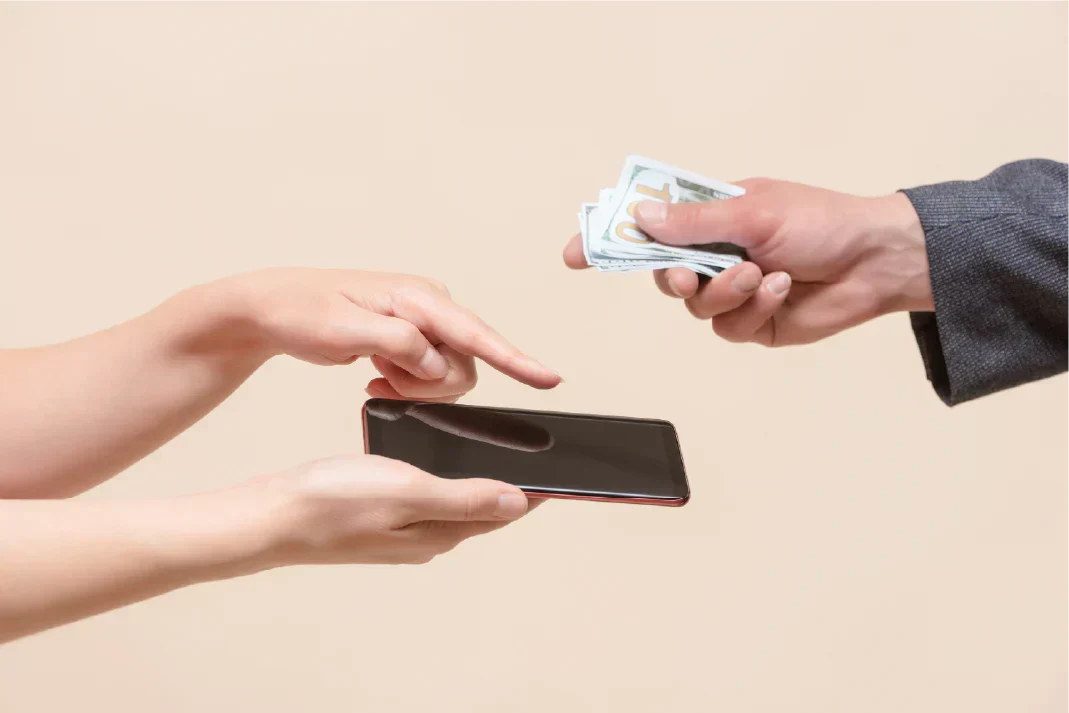
A phone trade-in is the process of exchanging your existing phone with a retailer or mobile device specialist; in other words, consumers use trade-in programmes to receive cash, store credit, or a discount on their next device purchase.
The trade-in company evaluates your phone based on factors such as:
- Device model
- Storage capacity
- Physical condition
- Battery health
- Functional condition
- Market demand
Once assessed, you’ll receive a quote. If you accept the offer, the transaction is usually completed on the spot.
Many consumers choose a phone trade-in because it offers a straightforward way to offset the cost of upgrading to a newer device or, through a carrier, buying a new phone.
What Does Selling Your Phone Mean?
To sell your old phone, you’ll typically need to find a buyer through channels such as Facebook Marketplace, Carousell, classified listings, or personal referrals.
Unlike trade-ins, private sales require you to manage the entire process, including:
- Taking photographs
- Creating listings
- Communicating with buyers
- Negotiating prices
- Arranging meetups or delivery
- Managing payment collection
While selling privately may allow you to achieve a higher price from a person buying directly, it typically requires more time and effort.
Trade-In vs Selling Phones: At a Glance
|
Factor |
Trade-In |
Selling Privately |
|
Speed |
Usually completed on the same day |
May take days or weeks |
|
Convenience |
Simple and straightforward |
Requires more effort |
|
Potential Value |
Generally lower |
Potentially higher |
|
Safety |
Lower risk |
Higher risk of scams or no-shows |
|
Effort Required |
Minimal |
Significant |
|
Payment |
Immediate cash or trade-in credit |
Depends on finding a buyer |
|
Best For |
Fast upgrades and convenience |
Maximising resale value |
Trade-In vs Selling Phones: Key Differences
Convenience
Convenience is one of the biggest reasons people choose trade-ins.
With a trade-in, the process is usually completed within a single visit to the store. Your device is inspected, valued, and the transaction is finalised without needing to create listings or communicate with multiple buyers. Mobile Life, for example, offers quick evaluations and transparent pricing for eligible devices.
Selling privately requires significantly more involvement. You may spend days or even weeks responding to enquiries, arranging viewings, and dealing with buyers who change their minds.
Winner: Trade-In
Speed
If you need cash quickly or want to upgrade immediately, trade-ins are generally much faster.
Most trade-in services can complete an assessment and payout within the same day. Some companies even provide instant cash or store credit once the evaluation is complete.
Private sales can take considerably longer. Depending on your device model and asking price, it could take several days or weeks before finding a serious buyer.
Winner: Trade-In
Potential Selling Price
This is where private sales often have an advantage.
Because there is no middleman involved, private buyers may offer a higher return than a trade-in provider. This is especially true for newer flagship devices in excellent condition.
However, achieving a higher selling price or better return is not guaranteed. The final amount depends on market demand, competition from other sellers, and your willingness to negotiate.
Trade-in companies need to factor in refurbishment costs, inventory risks, and resale margins, which means their offers may be lower than what you could potentially achieve through a private sale.
Winner: Selling Privately
Safety and Security
Many people overlook the risks involved in private sales.
Meeting strangers, handling large cash transactions, dealing with fraudulent payments, and navigating scams are all potential concerns.
Trade-ins eliminate much of this uncertainty. You’re dealing with an established business that follows a structured evaluation process and provides clear terms before proceeding.
Winner: Trade-In
Effort Required
Selling a phone privately can sometimes feel like a part-time job.
You’ll need to:
- Clean the device
- Photograph it
- Create a detailed listing
- Answer questions
- Negotiate pricing
- Coordinate meetings
A trade-in removes most of these steps. After a quick inspection, you receive an offer and decide whether to proceed.
Winner: Trade-In
What Factors Affect Your Phone’s Value?
Whether you trade in or sell privately, the same factors generally determine how much your phone is worth.
Device Model
Flagship models generally retain value better than entry-level devices because they offer higher specifications and longer software support. This can result in more competitive offers through programmes such as an iPhone trade-in.
Storage Capacity
Phones with larger storage capacities often achieve higher valuations because they appeal to a wider range of buyers.
Physical Condition
Cracked screens, dents, scratches, and housing damage can reduce resale value.
The better your phone’s cosmetic condition, the more valuable it is likely to be.
Battery Health
Battery performance has become increasingly important for buyers.
Devices with poor battery health may receive lower offers due to anticipated replacement costs.
Functional Condition
Features such as cameras, speakers, microphones, Face ID, fingerprint sensors, charging ports, and buttons should be fully operational.
Faults can significantly affect valuation.
Market Demand
Even if a phone is in excellent condition, demand ultimately determines its value.
Popular flagship devices often maintain stronger resale values due to their broad appeal and sustained demand in the second-hand market.
How to Maximise Your Phone’s Value Before Selling or Trading In
Whether you choose a trade-in or private sale, a few simple steps can help maximise your valuation:
- Back up your data before parting with your device.
- Factory reset the phone and remove all linked accounts.
- Clean the device, including the screen and charging ports.
- Include original boxes, chargers, cables, and receipts where available.
- Be transparent about any defects or signs of wear.
Taking these steps can help create a smoother transaction process and improve buyer confidence.
Is Trading In Worth It?
For many consumers, yes.
During promotional periods, a trade-in may also come with extra discounts or bonus credit, which can improve the overall value.
Although private sales can sometimes generate a higher selling price, the difference is not always substantial enough to justify the additional time, effort, and risks involved.
Trade-ins offer:
- Faster transactions
- Immediate value towards upgrades
- Reduced risk
- Less hassle
- Transparent evaluations
- Reduced e-waste through refurbishment and reuse
For busy individuals who prioritise convenience and certainty, a trade-in is often the more practical option. Trading in your phone can also help reduce electronic waste by giving devices a second life through refurbishment, reuse, or responsible recycling.
Ultimately, the decision comes down to whether you value maximum price or maximum convenience.
Why Trade In Your Phone With Mobile Life?

If you’re looking for a convenient and transparent phone trade-in experience in Singapore, Mobile Life offers a straightforward way to unlock value from your existing device.
Mobile Life provides:
- Quick device evaluations
- Transparent pricing and valuation criteria
- Competitive trade-in prices
- Instant cash or trade-in credit options
- Trade-in services for eligible smartphones from major brands, including iPhone trade-in and Samsung trade-in options.
- Multiple locations across Singapore
- The option to use your trade-in value towards an upgrade
From valuation to accepting an offer, the process is a simple step-by-step experience.
Unlike private sales, there’s no need to manage listings, negotiate with buyers, or arrange meetups. Simply bring your device in for an assessment and receive a clear trade-in value from the team. Mobile Life also publishes trade-in pricing information and explains potential deductions upfront, helping customers understand exactly how their device is valued.
Whether you’re upgrading to a newer phone or simply looking to unlock value from a device you no longer use, Mobile Life offers a fast and hassle-free phone trade-in solution.



Leave a comment
This site is protected by hCaptcha and the hCaptcha Privacy Policy and Terms of Service apply.